
PDP






Partner Perspectives
December 22, 2025
Do you think about water quality?
By Dr. David Kolb
Acepsis
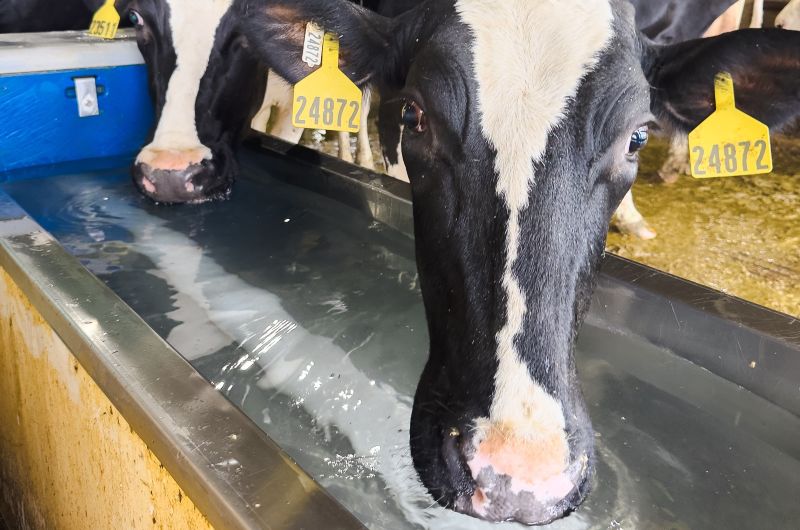
Water is the lifeblood of dairy production, yet its vital role is often underestimated. For dairy cows, high-quality water is not just a basic need; it directly influences hydration, milk production, and overall health. By ensuring access to clean, pathogen-free water, dairy producers can significantly enhance milk quality and promote the well-being of their herd.
Contaminated water sources can harbor harmful microorganisms, including bacteria, viruses, and protozoa, which can lead to water-borne diseases. These pathogens have a detrimental effect on the health of the herd, leading to lower quality milk, lower milk production and higher veterinary costs. Moreover, biofilms — layers of microbes that can form on water troughs and pipes — can further lessen water quality, serving as reservoirs for pathogens and reducing the cows’ consumption of water.
Impact on water consumption
When dairy cows have access to clean, high-quality water, their water intake significantly increases. Studies have shown that cows consume more water that is free of contaminants, which translates to better hydration. Proper hydration is essential for various physiological processes, including digestion, nutrient absorption, and thermoregulation.
Effects on milk quality and production
The connection between water quality and milk production is profound. Adequate water intake directly influences milk yield; cows require substantial amounts of water to produce milk—approximately three to four times the amount of milk produced. High-quality water contributes to optimal milk composition, ensuring that it is rich in essential nutrients such as proteins, fats, and vitamins. Importantly, access to clean water has been linked to reduced somatic cell counts (SCC) in milk, indicating better udder health and lower risks of mastitis. Lower SCC enhances milk quality, ensuring it meets industry and processor standards.
Overall cow health and rumen health
Rumen health is critical for dairy cows, as it directly affects digestion and nutrient absorption. Water quality plays a significant role in maintaining a healthy rumen environment. Clean water supports the growth of beneficial microbes essential for fermentation processes in the rumen. Conversely, contaminated water can disrupt the delicate microbial balance, leading to ruminal acidosis and other digestive disorders, and therefore, higher veterinary costs. Healthy rumen function is crucial for efficient feed utilization, which in turn affects milk production and overall cow health.
In conclusion, the importance of high-quality water for dairy cows cannot be overstated. Clean, pathogen-free water is vital for maximizing water intake, enhancing milk quality and production, and maintaining overall cow health. As dairy producers strive to improve their operations, investing in systems that maintain high-quality water through the dosing of low PPM chlorine dioxide should be a top priority. By ensuring access to clean water, dairy producers can promote the health and productivity of their herd, leading to better outcomes for both cows and the dairy industry as a whole. Prioritizing water quality is not merely an operational detail; it is a fundamental aspect of successful dairy production!
Dr. David Kolb is large animal veterinarian, Lodi Veterinary Care and co-owner of Acepsis, LLC, a Mission Partner of Professional Dairy Producers®. He can be reached at drdavidkolb@acepsis.com.
PDP is Dairy's Professional Development Organization. Producer-led and membership-based, we're here to share ideas, solutions, resources and experiences that help individual dairy producers – and our industry as a whole – succeed. Our focus is on producer professionalism, stakeholder engagement and unified outreach.
Site Hosted & Maintained by USAgNet